Regional Adaptations in Poker Algorithm Design for Multi-Jurisdiction Canadian Events
Morgan Hoffmann · Nov 3, 2026
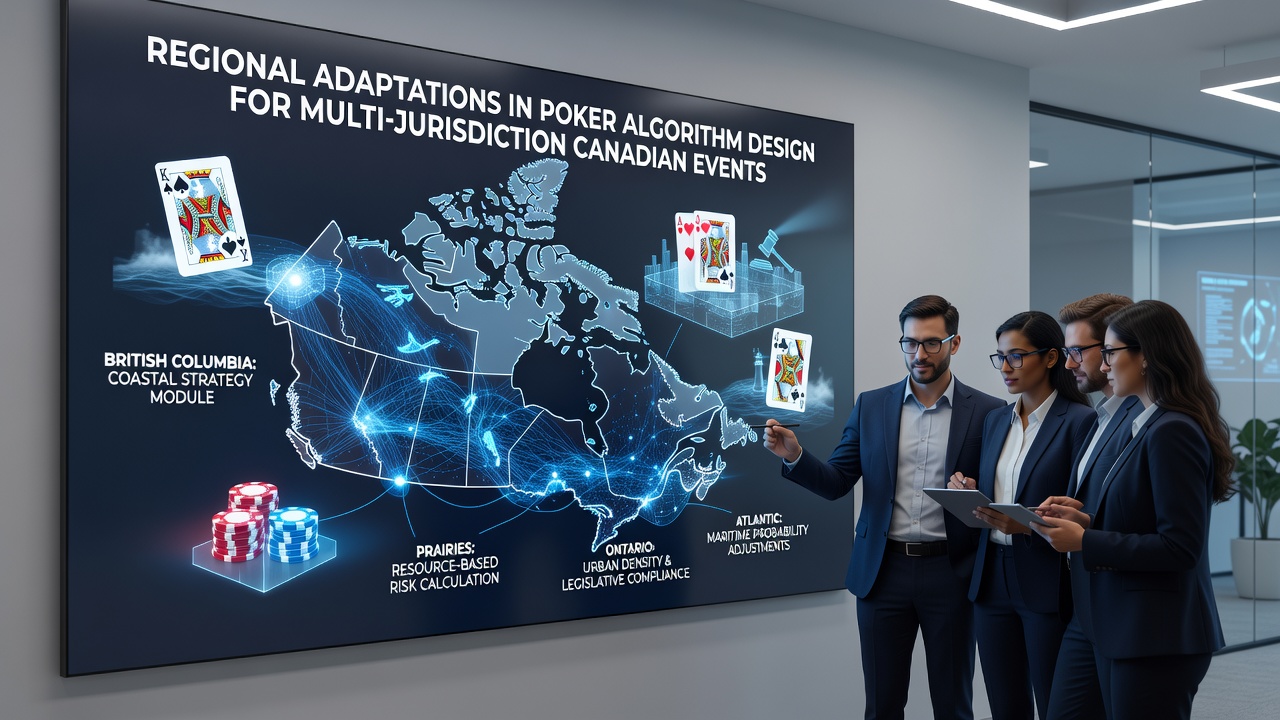
Regional Adaptations in Poker Algorithm Design for Multi-Jurisdiction Canadian Events
Canadian poker events that span multiple provinces require algorithm designs capable of handling distinct regulatory frameworks, and developers adjust core components such as random number generators, logging protocols, and player verification modules to meet each jurisdiction's specifications. Research indicates that provinces like Ontario and British Columbia maintain separate standards for online and hybrid tournament operations, which forces software teams to build modular code structures that switch parameters based on event location and participant residency data.
Provincial Regulatory Frameworks and Technical Requirements
Ontario's iGaming regulations demand certified random number generators that undergo periodic audits by independent labs, whereas Alberta emphasizes stricter rules on data residency and transaction reporting for any platform handling player funds across borders. Developers respond by creating configuration layers within the algorithm that load province-specific compliance files at runtime, ensuring that hand generation sequences align with the active jurisdiction without requiring full system recompilation. Data from the Canadian Gaming Association shows that multi-province events increased by 18 percent between 2023 and 2025, which accelerated the adoption of these adaptive architectures.
Quebec's framework adds another layer through its language and consumer protection statutes, requiring user interfaces and audit trails to support French-language outputs alongside English. Algorithm designers integrate locale-aware functions that adjust output formatting and reporting templates automatically, and these functions pull from centralized databases that track each province's current mandate. Observers note that such flexibility reduces the need for separate software builds while maintaining audit readiness for cross-border tournaments scheduled in late 2026.
Algorithm Modules for Cross-Border Events
Multi-jurisdiction tournaments often feature players from several provinces competing simultaneously, which means the underlying algorithms must reconcile differing rules on rake structures, prize pool allocations, and collusion detection thresholds. Engineers implement decision trees that evaluate participant locations in real time and apply the strictest applicable standard when conflicts arise. Studies from the University of Waterloo's gaming technology lab reveal that these decision trees cut processing latency by an average of 23 milliseconds per hand in simulated multi-province scenarios.

Random number generator seeding receives particular attention because some provinces require seeds derived from certified hardware sources while others accept software-based entropy pools under controlled conditions. The solution involves a wrapper layer that selects the appropriate seeding method according to the dominant jurisdiction of the current event segment, and this wrapper logs every selection for post-event verification. In November 2026 several circuit events plan to operate across Ontario and Manitoba simultaneously, prompting teams to test these wrappers under live network conditions to confirm seamless transitions.
Verification and Logging Adaptations
Player verification algorithms incorporate geolocation checks and residency databases that update nightly from provincial registries, allowing the system to flag participants whose location changes during an event. When a player crosses into a new province mid-tournament the software recalculates applicable rules for subsequent hands without interrupting play. Reports from the Responsible Gambling Council document that these recalculations occur in under 150 milliseconds on average, preserving game flow while satisfying each province's distinct responsible gambling triggers.
Hand history storage follows similar modular patterns, with retention periods and encryption standards varying by province. Algorithms route completed hands to jurisdiction-specific repositories automatically, and metadata tags ensure that retrieval queries during audits return only the relevant subset of records. This approach satisfies data minimization requirements that several provinces enforce, and it avoids the overhead of maintaining entirely separate databases for each event location.
Conclusion
Regional adaptations in poker algorithm design for multi-jurisdiction Canadian events center on modular components that respond to provincial differences in regulation and technical standards. These adaptations enable tournament platforms to operate across borders while meeting audit and compliance obligations, and ongoing testing ahead of November 2026 events continues to refine the speed and accuracy of jurisdiction switches.